engineering.

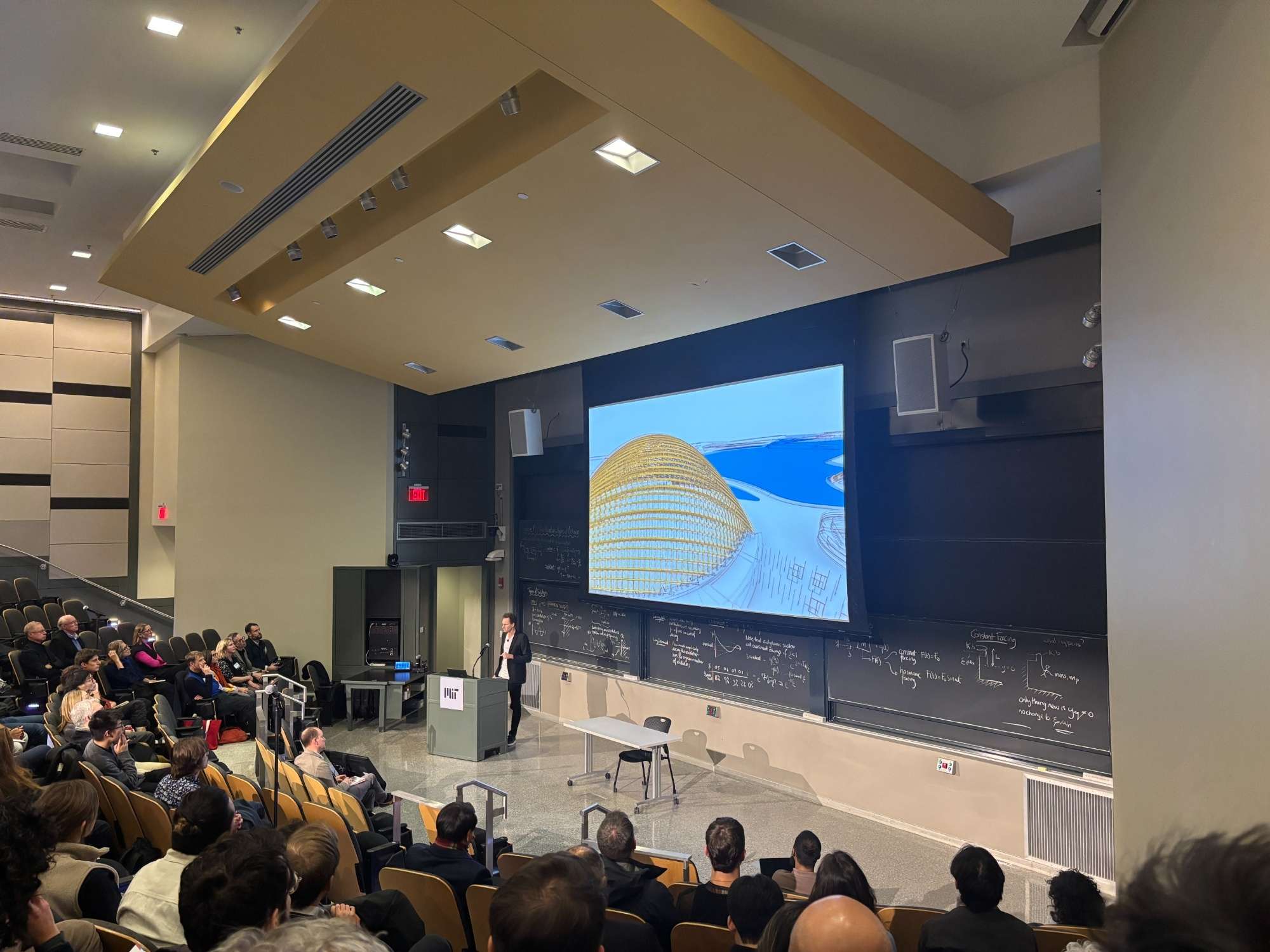
Directors David Watson and Toronto studio director Charlie Ashton attended the Advanced Architectural Geometry Conference in Boston and Cambridge, joining peers from across the world for tours, discussions, and engagement with leading academic institutions.
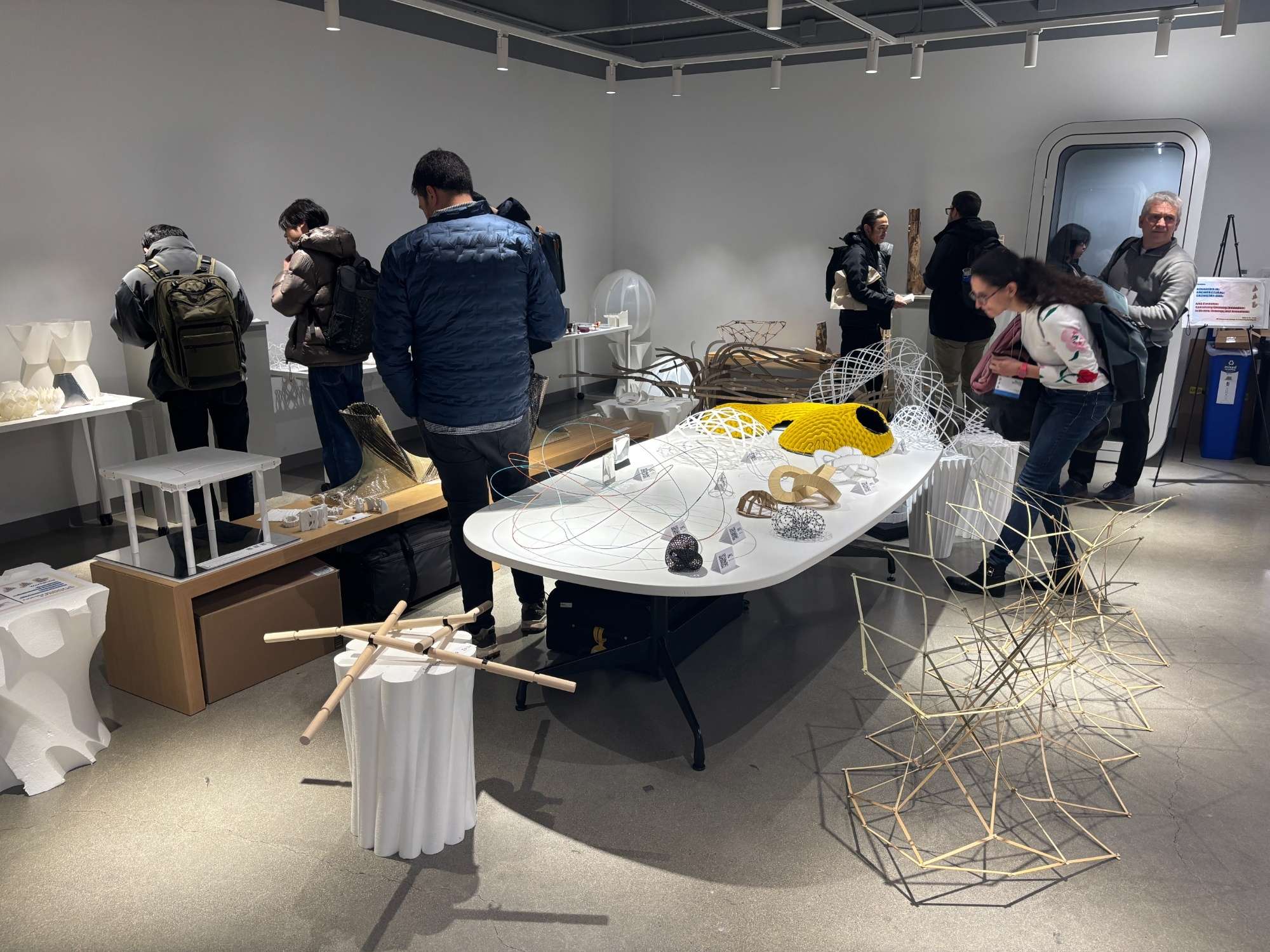
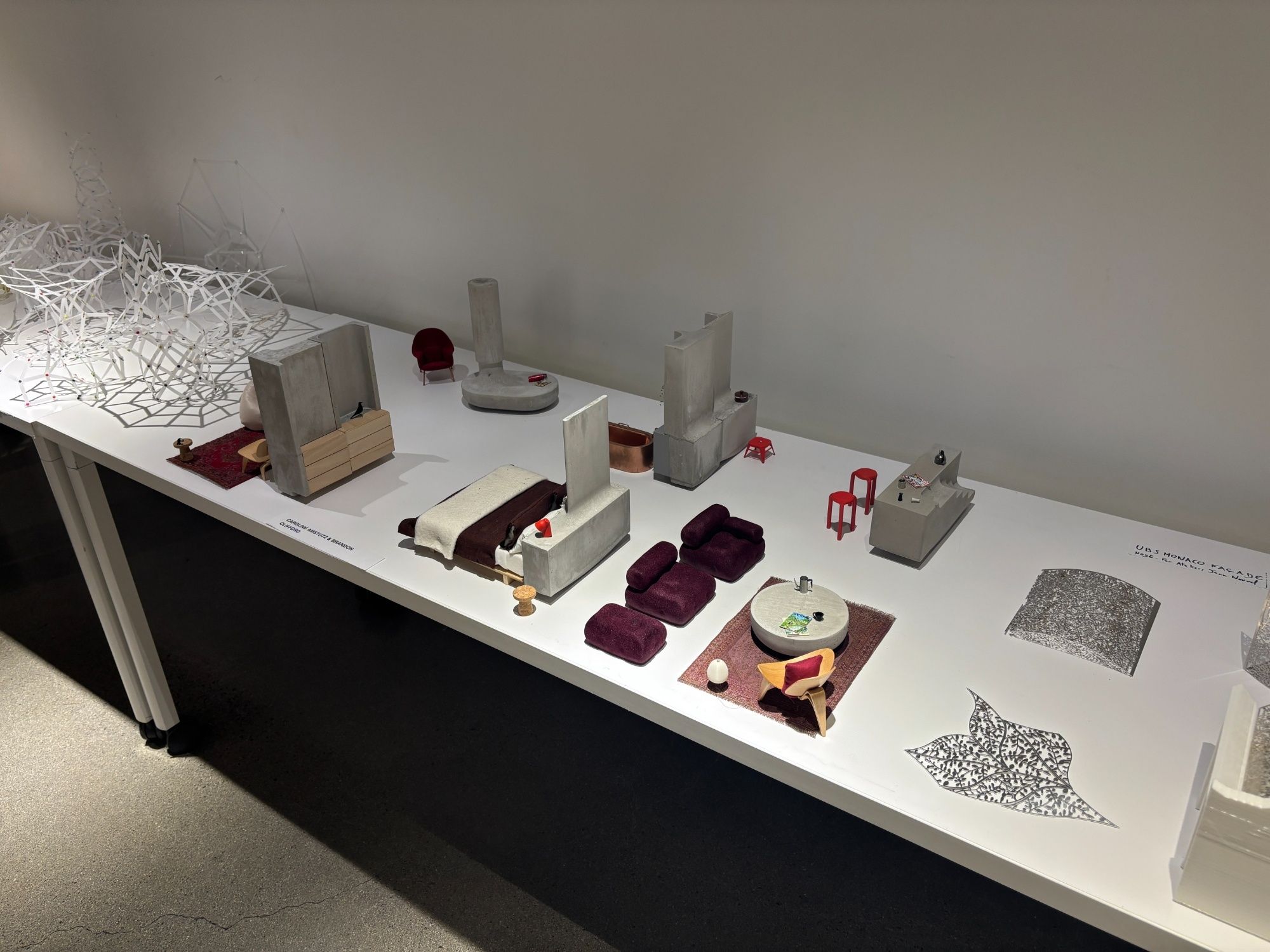
The AAG tours opened with an exploration of Harvard University, moving from the sculpted concrete ramps of Le Corbusier’s Carpenter Center to the historic brickwork of Sever Hall and the refined daylighting of Renzo Piano’s Fogg Museum. Gund Hall offered a glimpse into the energy of studio culture at the Graduate School of Design, highlighting the environments that shape architectural education. The visits provided a vivid reminder of how material and geometric thinking influence the spaces where people gather, learn and connect.
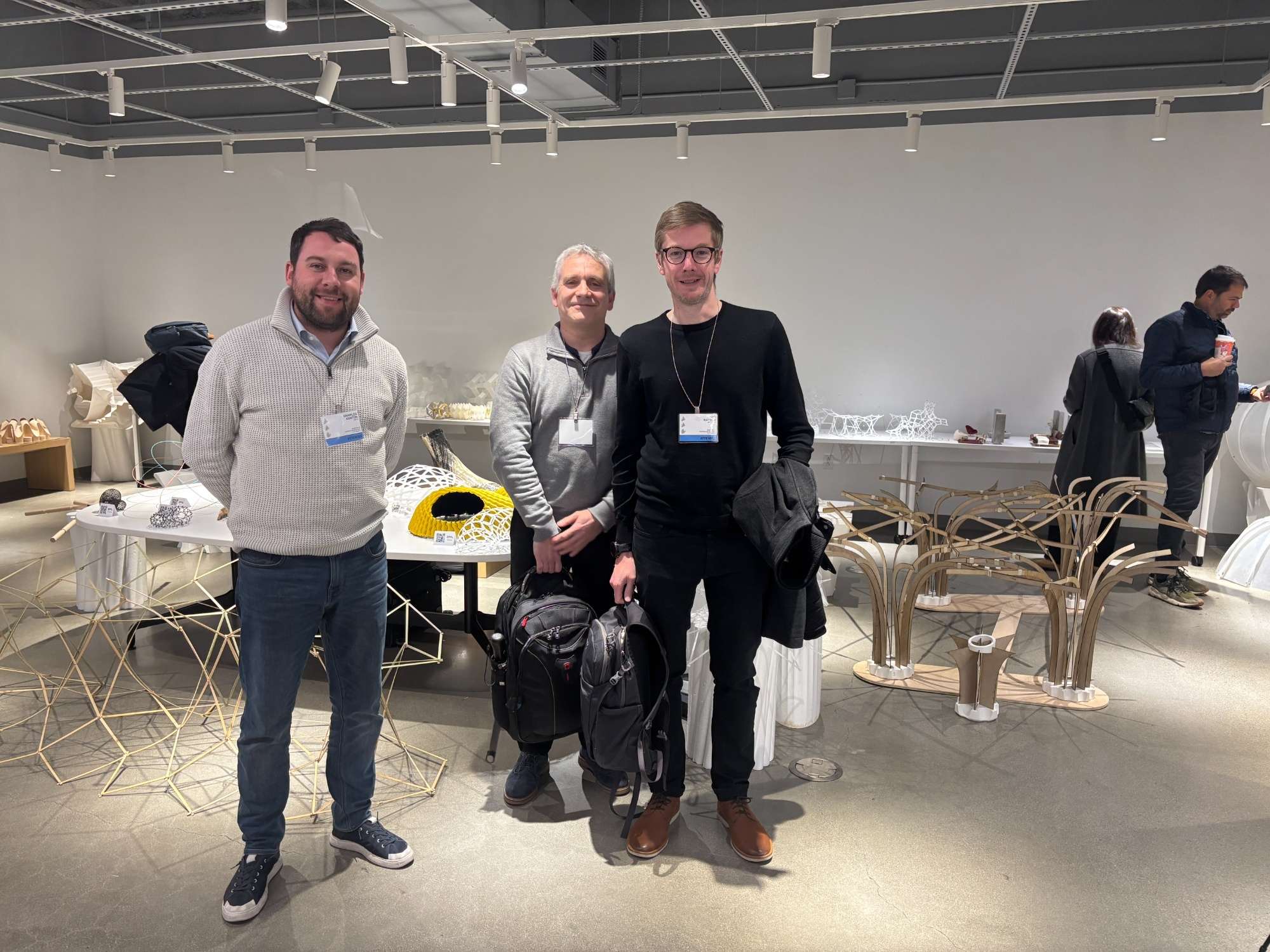
At MIT, the group experienced an entirely different set of architectural expressions, from the fractured geometries of Gehry’s Stata Center to the elegant thin-shell form of Saarinen’s Kresge Auditorium and the calm spatial clarity of the MIT Chapel. Aalto’s Baker House revealed a more humanist, curved approach to student living. Beyond campus, the Boston Public Library showcased Guastavino vaulting with structural ingenuity that still resonates today, while a visit to the Metropolitan Warehouse construction site grounded these architectural ideas in contemporary construction sequencing and material craft.
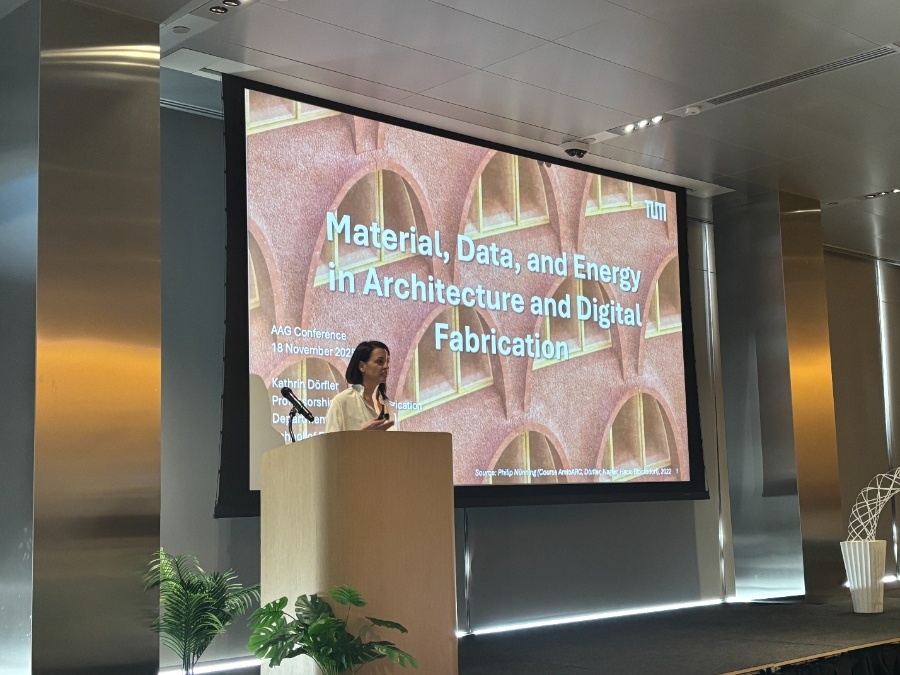
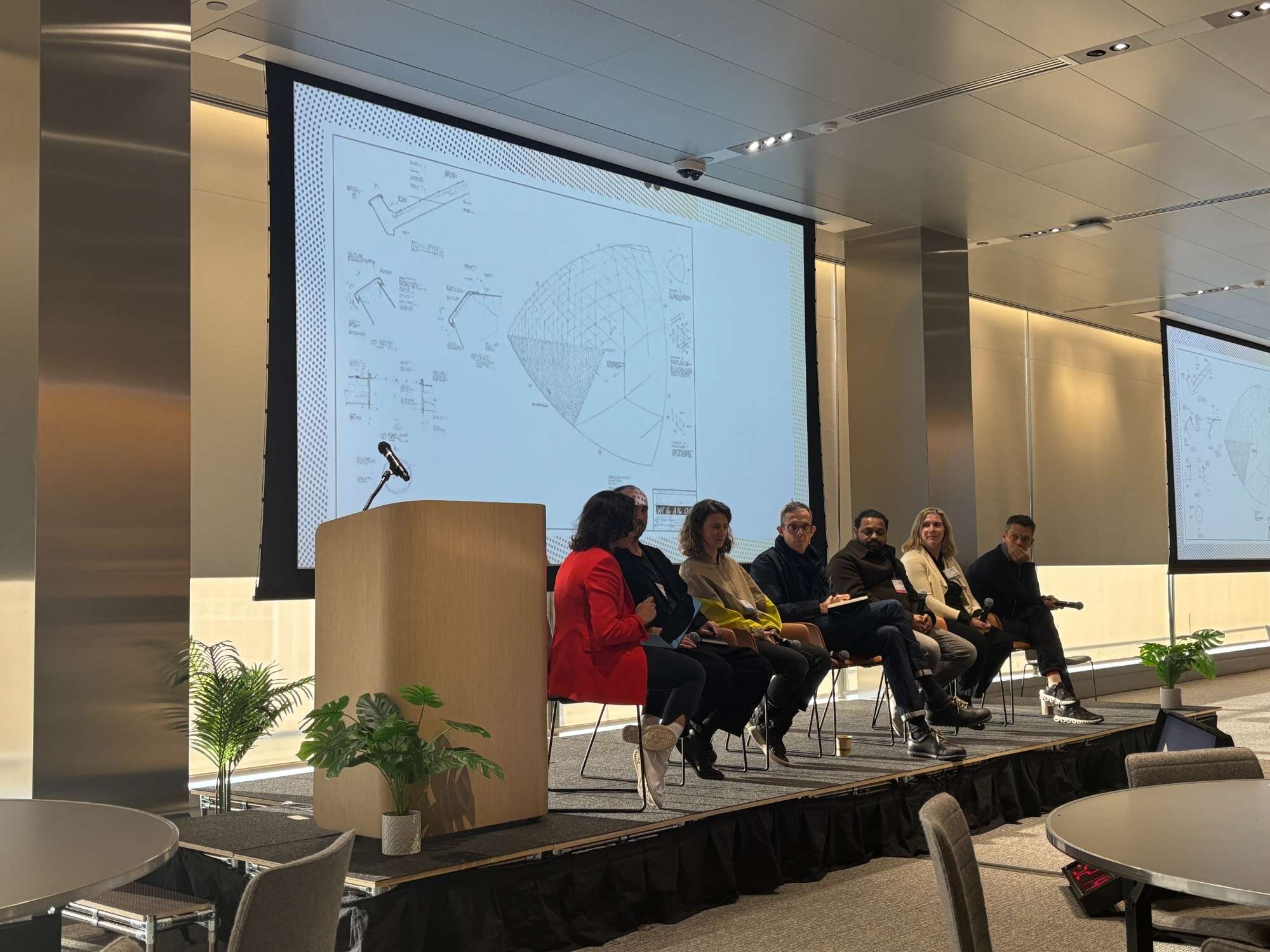
While in Boston, David and Charlie also met with Mass Design Group, continuing an ongoing exchange of ideas around socially driven architecture, research and the built environment. These conversations enriched the wider conference experience and reinforced shared interests in design that serves communities and enhances lived experience. Across two days of tours and discussions, the programme highlighted how innovation in geometry ultimately supports more thoughtful, human-centred design.
The week also provided a valuable opportunity for in-person connection. The entire Toronto studio gathered for an evening together, making the most of the rare occasion when teams from across continents can meet face to face.